Communication about scrap metal recycling generally focuses on returning all metals to the manufacturing process. In fact, it may be possible to recover all the metals that are clean and sorted, or even most of the metals that are, to a greater or lesser degree, partially mixed, as long as they are not too severely damaged or too dirty to be profitable to process. Then how is scrap metal that can’t be well recycled disposed of? If it’s builders, factories, workshops, or communities that don’t seem to catch the ball, the answer lies beyond Melbourne households. Sending everything to the landfill is the wrong answer; a responsible recycling process starts with inspection and sorting. At Ezi Metal Recycling, we recapture ferrous and non-ferrous metal throughout Melbourne, value it, and sort it so recyclable metals can return to the stream.
A Practical Melbourne Example
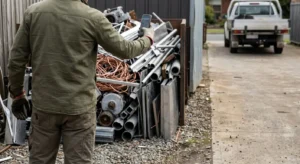
The old fabrication workshop was owned by an individual ‘Sandy’ who moved out of Melbourne and had to clear the space before they could depart: His heap consisted of steel scraps, aluminum structure, copper wire, other items that were oily, and some of the metal parts that were still in the concrete dust. Sandy thought it was all recyclable as it was made of metal. The assessment and sorting of the load was adjusted during collection. Heavy contaminations would need to be treated separately, whereas the clean items of steel, aluminum and copper would be fed into appropriate recyclers.For Sandy, the simple conclusion was that a metal object doesn’t mean it can be recycled to suit every use. Increased separation at the source made it easier to recover useful bleed material and minimized contamination from other materials.
 Why Can Some Scrap Metal Not Be Recycled?
 Metals are extremely reusable. Typically, the problem is due to contamination or the presence of other materials. If scrap is heavily contaminated with oil, chemicals, dirt, concrete, insulation, plastics, or hazardous residues, or requires specialist treatment, it may be harder to recycle.Other composite products include metal tightly bound to rubber, glass, electronics, or other materials. These components may be separated through the use of specialist equipment or facilities. In other instances, the amount of metal may be recoverable, but its size, quality, or contamination may make it infeasible for a specific recycling stream. Hence, “what cannot be recycled” is not necessarily an easy list to achieve. Just because one processor may not accept a material doesn’t mean another facility with the right technology can’t. Site and local specifications, contamination levels, and end-market requirements all matter.
What Happens Inside the Recycling Plant Process?
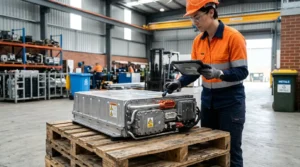
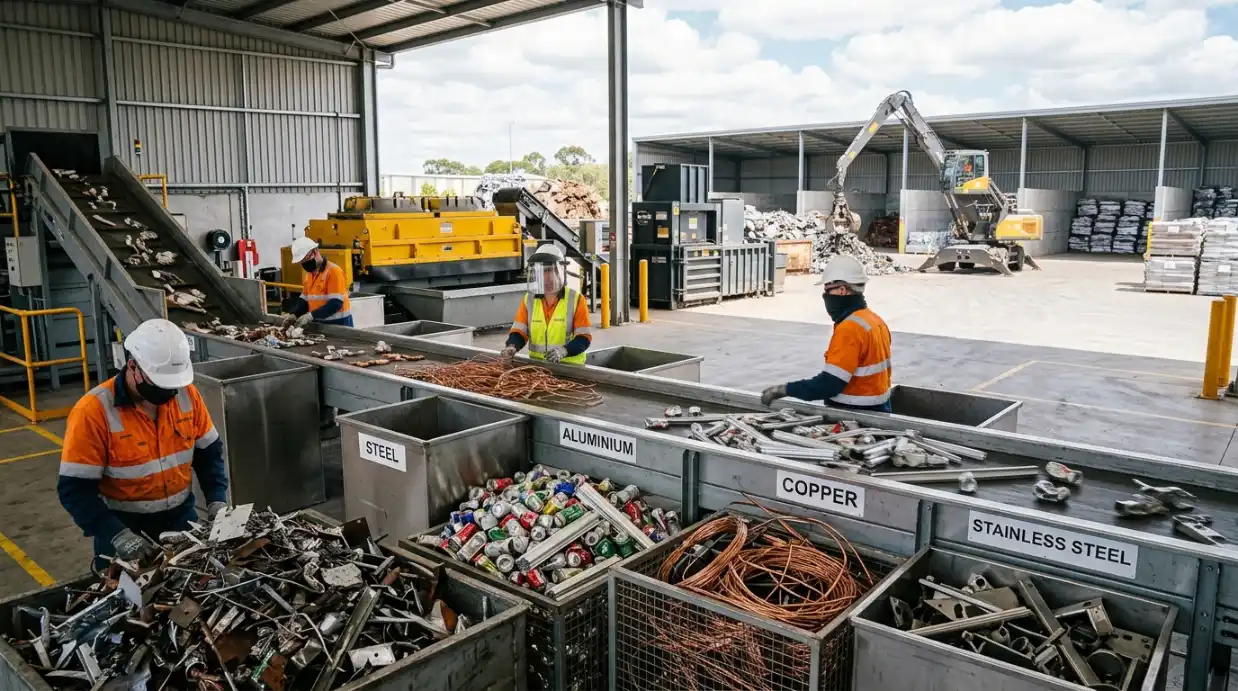
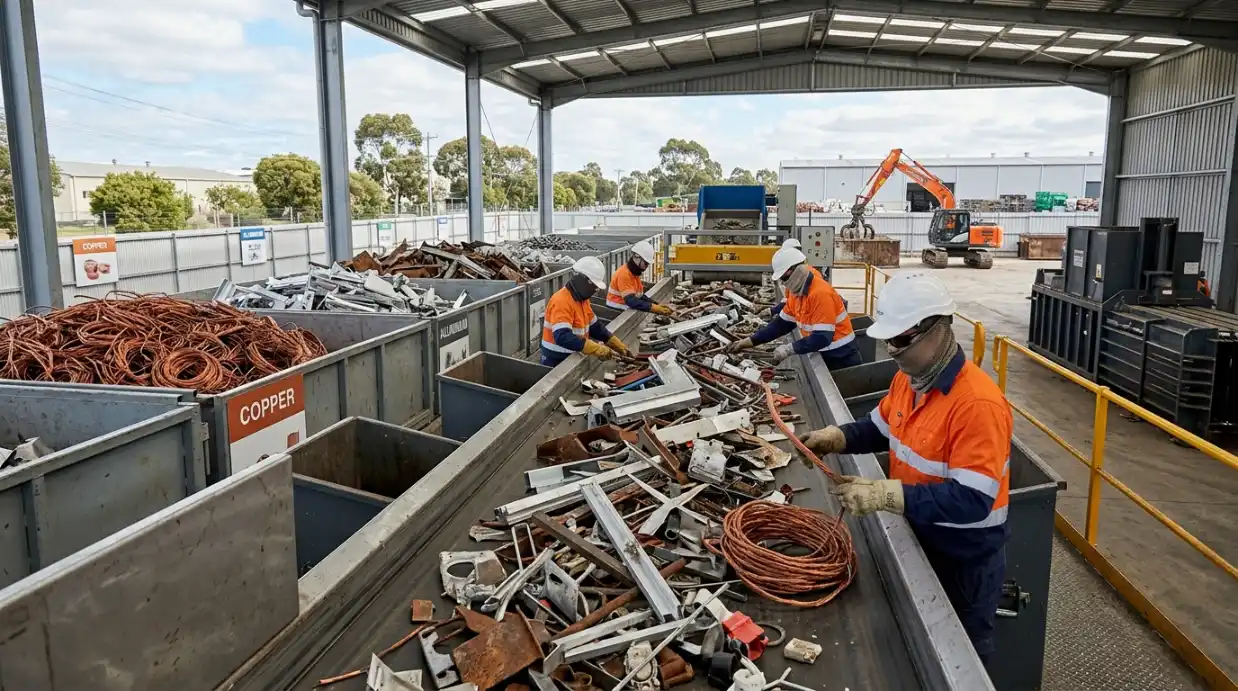
Typically, the first steps in a recycling plant process include picking up the waste, weighing it, visually inspecting it, and sorting it. It then separates ferrous metals like steel from non-ferrous metals like copper, aluminum, and bronze (brass). Additional sorting can separate grades and eliminate harmful materials. Metal is sorted and then shipped into metal recovery and manufacturing supply chains for suitable operations such as cutting, shredding, baling, or other preparation methods. This process depends on the metal type, grade, energy plant, and downstream receiver. If the materials can’t be moved through the normal metal scrap stream, they should simply not be tossed into the metal recycling stream. This may require further separation, specialist treatment, or disposal via a suitable regulated waste route. This is to ensure the safety of workers and equipment, prevent environmental impacts, and improve the quality of recovered materials.
A Practical Melbourne Example
The old fabrication workshop was owned by an individual who moved out of Melbourne and had to clear the space before they could depart: His heap consisted of steel scraps, aluminum structure, copper wire, other items that were oily, and some of the metal parts that were still in the concrete dust. Sandy thought it was all recyclable as it was made of metal. The assessment and sorting of the load was adjusted during collection. Heavy contaminations would need to be treated separately, whereas the clean items of steel, aluminum and copper would be fed into appropriate recyclers.For Sandy, the simple conclusion was that a metal object doesn’t mean it can be recycled to suit every use. Increased separation at the source made it easier to recover useful bleed material and minimized contamination from other materials.
Can Non-Recyclable Scrap Metal Be Reused?
Sometimes. Reuse is not recycling. Structurally intact metals can be used in components, products, or materials in another form before they must be melted down. This can help to maintain the value of the original item. The extent of reuse, however, varies with conditions, safety, specifications, and demand. A damaged or contaminated component may not have any practical reuse pathway. In such cases, responsible waste management is vital.
Common Reasons Scrap Metal Is Rejected
- Too much oil, chemicals, concrete, soil, or other garbage.
- Use of impossible, inefficient, or expensive joint materials.
- Hazardous materials that need special handling by professionals.
- Too few for a specific processor or lot.
- Material that does not meet a buyer’s grade or quality specifications.
How Can You Make Scrap Metal Easier to Recycle?
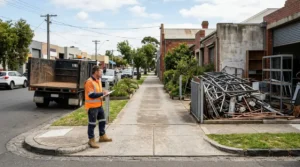
Recovery is enhanced with good preparation. If possible, separate different types of metal, discard obvious non-metal attachments when safe to do so, and Don’t put Dangerous items in a scrap heap. Businesses should also let the recycler know in advance about unusual goods to be collected. Labeled documentation of what is in a bulk load can also make collection and sorting easier for Melbourne businesses. Ezi Metal Recycling collects bulk scrap metal from commercial, industrial, construction, and other sites across Melbourne; all ferrous and non-ferrous metals are assessed and sorted for processing.
Does Non-Recyclable Metal Always Go to Landfill?
Not recyclable through this stream does not necessarily mean “Landfill.” It can be diverted for additional separation, specific treatment, recovery of another component, or be directed to a permitted disposal stream, depending on the material. The objective of Responsible Metal Scrap Recycling is to retrieve as much usable material from the scrap as possible, as conveniently as possible, while ensuring that loads of recyclables are not polluted with unfit waste products. The right “outcome” depends on the material type and the infrastructure available to process it.
Final Takeaway
Most scrap metal has value since metal can be recovered and returned to productive use. Not all items go in the same recycling stream, however. What follows can vary due to contamination, mixed materials, hazardous materials, and quality requirements. Identify materials as early as possible and separate them where possible, using a responsible recycler capable of a materials assessment. As businesses and properties across Melbourne remove unwanted items from their premises, Ezi Metal Recycling uses Melbourne’s premier metal recycling systems to keep items that can be recycled in the recovery stream, while sorting and identifying items that cannot be recycled for the next stage.
Frequently Asked Questions
What cannot be recycled in scrap metal?
Heavy metal mixes with hazardous substances and parts that need specialized treatment may not fit into the single-stream process for scrap metal. Recycling rates vary based on material condition and recyclers.
What happens to metal that cannot be recycled?
It may go through an additional sorting process or specialist treatment before it can be sent for recovery through another process, or it may be sent for approved waste disposal if recovery isn’t practicable.
Can rusty metal be recycled?
Often, yes. Not everything that is rusted can be recycled. The type of metal, contamination, and condition matter more.
How does a recycling plant process scrap metal?
Generally, the loads are received, weighed, inspected, sorted by metal type and grade, prepared, and then moved into appropriate processing and recovery streams.
Why is separating scrap metal important?
Reducing contamination and separating ferrous and nonferrous metals helps preserve material quality, improve processing performance, and support better recovery.
Call us now for Commercial and Industrial Services!
Call us on 0431 733 102 to arrange a pick-up today. Feel free to reach out to our specialists online to get an upfront quote for your scraps or share your feedback on our services.