While electric vehicles are revolutionizing transport, a key question remains: what happens when an EV battery, electric motor, or charging cable reaches the end of its life? The materials in these components are valuable and can be recovered, reused, or recycled. If you own a car, this process matters to you and your business because you want to stay safe, do your part to protect the environment, and get the most value for your towing service.
What happens to an EV Battery?
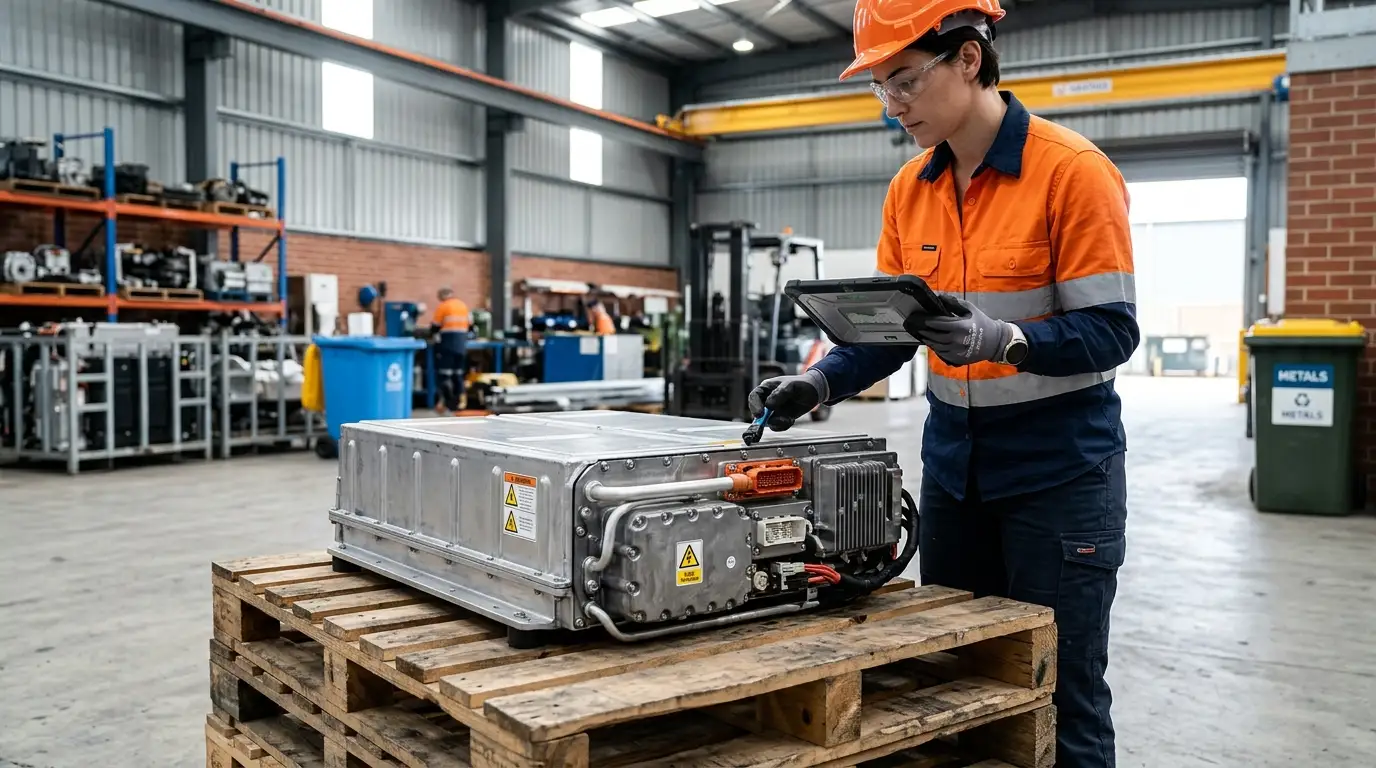
Most modern EVs use lithium-ion technology. The chemistry varies from vehicle to vehicle; for example, iron phosphate (LFP) batteries don’t use the element nickel. But don’t throw away an EV battery that has reached the end of its life just because it has a little less range than a brand-new one. The Australian Government recommends that EV batteries can operate beyond a vehicle’s normal lifespan and can be used for second-life applications or recycled at the end of their life. If a battery is at the end of its life, it should be tested and disposed of via a suitable battery-recycling service. If lithium-ion batteries are damaged or faulty, handle them with special care and caution, as they may pose fire hazards or other safety concerns. They should never be broken down randomly, crushed, or thrown into general scrap. Processing can include inspection, safe collection, pre-processing to isolate materials, and controlled (dismantled) handling before further recycling. Recyclable materials can then go into the right recycling process.
A Melbourne Client Story: From EV Workshop Scrap to Recovered Materials
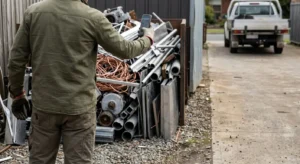
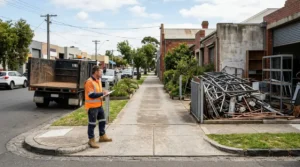
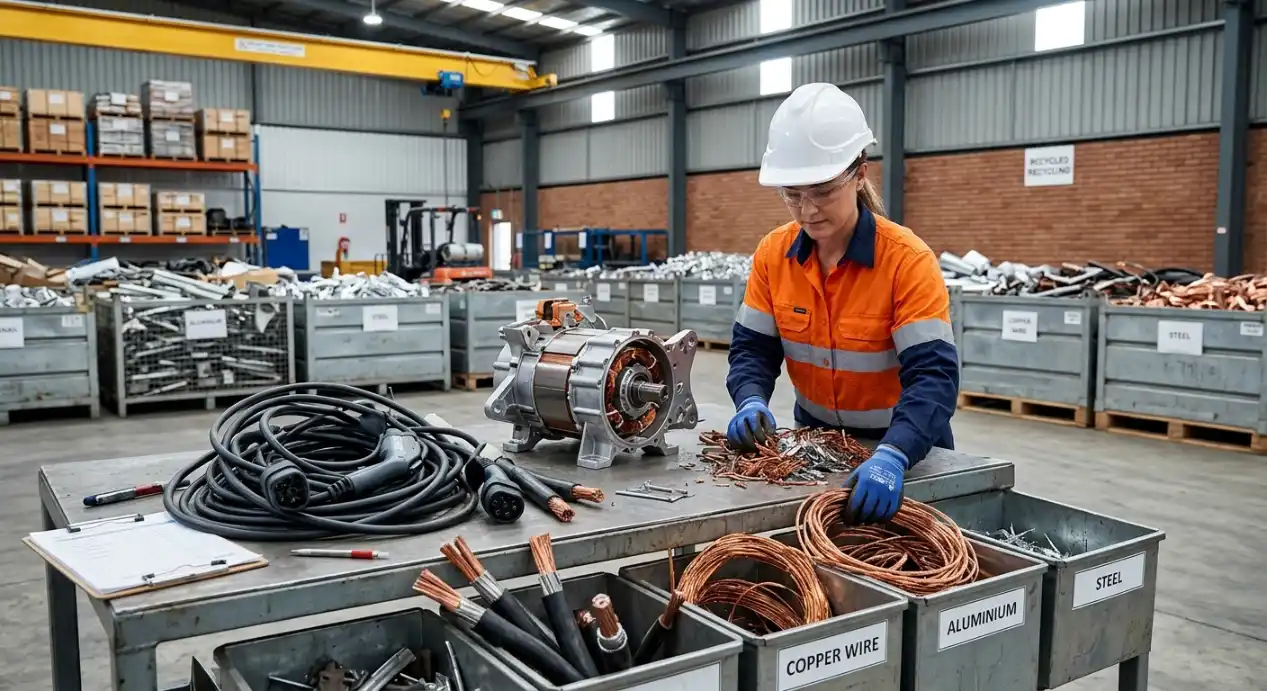
A local EV service workshop in Melbourne’s Western suburbs upgrading its equipment. The workshop had several breakage records for charging cables; none of the cables were new, and some of the wiring was copper, with an electric motor assembly that seemed outdated. The owner ‘Max’ considered loading everything into this general load. Instead, the materials were classified into different types. Charging cables were collected together, the Motor assembly was segregated, and copper-containing wiring was collected with other copper-containing material waste. Sorting into single loads made loading easier and ensured each material went to the right recycling stream. Before disposing of EV-related scrap, determine what you have. A battery pack, motor, and charging cable don’t necessarily work the same way.
But this distinction matters to Melbourne businesses: not all yards can handle a full high-voltage EV battery. Check the battery type and health, then arrange safe transport and/or collection.
What Happens to EV Motors as Scrap?
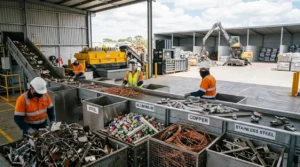
One of the more easily recycled EV components is the electric motor. It may include copper windings, aluminum, steel, and permanent magnets, depending on the design. An EV motor can be inspected and split into material streams. The copper windings can be recycled, as can the aluminum hull and steel parts. Recovering rare-earth materials depends on motor design and downstream material processing. This is where scrap electric motors’ real resource value comes from. Recycling is typically the best way to maximize the use of valuable metals while minimizing virgin raw materials. Some of the copper-bearing items we accept at Ezi Metal Recycling as scrap include electric motors and windings. Our team of experts can help collect loads at a convenient time and location in Melbourne, depending on the material type and condition, and will collect suitable commercial quantities.
What Happens During EV Charging Cable Recycling?
The charging cable device comprises a conductor, insulating material, and protector. During EV charging cable recycling, cables are evaluated and sorted. Depending on the construction and insulation type, insulation can be peeled away from the conductors, allowing recovery of the underlying metal. Cables with a high copper-to-insulation ratio, and with copper as a major component, have a higher value than those that are heavily insulated or contaminated. Ezi Metal already has insulation and stripped cable in stock, along with electrical and industrial cable, to recover the metals. Using cables from older EV installation projects together can simplify assessment for businesses to replace EV charging. Avoid using heat to strip the cable coating. Appropriate mechanical processing keeps materials in the proper recycling streams and is safer.
Why Does EV Recycling Matter in Melbourne?
By extending useful life, EV recycling helps to create a circular economy. It can reduce landfill waste and the need for new resources. Recycling and reusing EVs is also identified as a key way to manage them at end-of-life (EoL), as outlined in some Australian Government information. Businesses in Melbourne can dispose of unwanted materials and reduce waste while clearing a messy workshop, warehouse, or fleet depot through well-organized recycling. Ezi Metal Recycling is a Melbourne-based scrap metal recycler servicing Industrial, Commercial, and Residential Customers from Burwood. Services include scrap metal collection, copper recycling, cable recycling, aluminum recycling, and battery disposal. The company uses calibrated scales for pickups and evaluates materials by type and condition. Ask before removing any EV part from a load that is to be scrapped if you’re not sure whether it should be part of a “regular” load of scrap metal or should be handled by an EV battery removal service. The correct handling pathway may vary based on battery condition, chemistry, size, and damage.
How Should You Prepare EV Scrap for Recycling?
Some simple precautions can facilitate and secure the collection:
- Separate complete Lithium-ion batteries from typical metal scrap.
- Never tear apart, crush, puncture, or set EV batteries or EV cables on fire.
- Wherever possible, separate cables and motors.
- If the battery is damaged, swollen, leaking, and/or involved in an accident, tell the recycler.
- Gather appropriate bulk loads of metal and cable to facilitate collection and assessment.
Final Takeaway
Not everything that is an EV becomes “scrap”. Take care when handling batteries; motors can be recycled for copper, aluminum, and steel, and charging cables can be recycled for conductive metals. The best way for Melbourne workshops, fleets, businesses, and contractors to handle EV scrap is to sort and securely collect it before pickup. Ezi Metal recycles metal and cable (wiring) scrap. It may be able to evaluate traditional metal and cable scrap and advise you on what to do with the battery-related materials.
FAQ: EV Battery, Motor & Cable Recycling
Can EV batteries be recycled?
Yes. Depending on condition, chemistry, and the availability of a processing pathway, EV batteries can be reused, repurposed, or recycled. They are not just about proper disposal, but also ordinary disposal.
Can I put an EV battery in a scrap-metal bin?
No. Avoid indiscriminately putting a high-voltage Lithium-ion Electric Vehicle (EV) battery in a general scrap metal bin without following proper handling procedures. Battery waste can be a fire hazard and more.
Are electric car motors worth recycling?
Yes. Electric motors contain copper, aluminum, and steel. The value of the materials depends on industry conditions, the motor’s weight, type, current market, and other factors.
What is EV charging cable recycling?
It started as a process to extract conductive metals (e.g., copper) from charging cables and separate insulation and other materials for proper treatment.
Can Ezi Metal Recycling collect EV-related scrap in Melbourne?
Ezi Metal Recycling Collection Melbourne is a bulk collection service that recycles scrap metal and cables in Melbourne. Please call the team before collecting full or defective EV battery packs to ensure the proper handling path.
Call us now for Commercial and Industrial Services!
Call us on 0431 733 102 to arrange a pick-up today. Feel free to reach out to our specialists online to get an upfront quote for your scraps or share your feedback on our services.