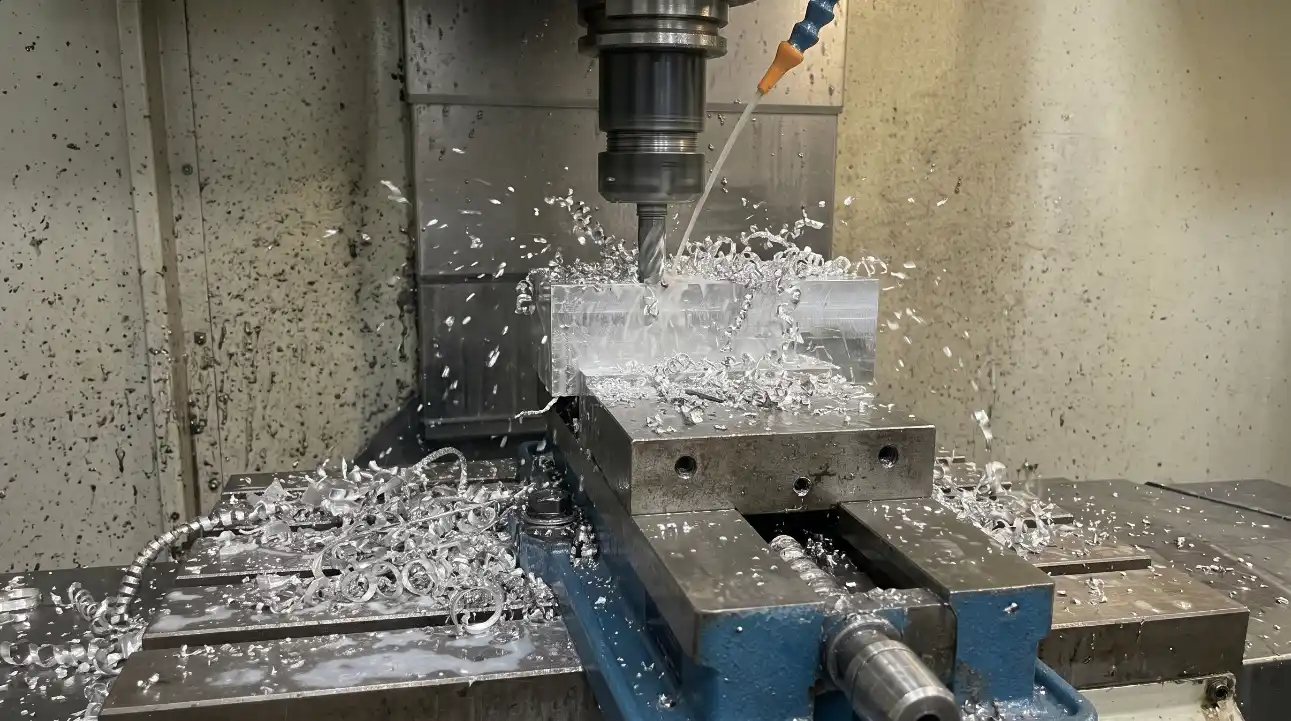
If you walk into any CNC machining shop, you’ll likely find metal chips, curls, and shavings around the machines or in bins storing cleaners. They may sound just like wasted or finished packaging material, but there’s actually value in that product. Each time a CNC machine cuts or drills metal, it creates a swarf. For a business, recovering and reusing useful materials instead of throwing away used metal is the best way to recycle material effectively. Recycling of machining waste is a viable option for manufacturing companies throughout Melbourne and Victoria, not only to minimize unnecessary waste disposal, but also to increase the value and quality of their valuable resources while maintaining a cleaner workshop. The solution is to know how to handle and prepare metal swarf before recycling.
Our client Story: Better Swarf Management Can Help a CNC Workshop
A CNC machine shop is in the east of Melbourne. Very often, aluminum shavings and stainless steel turnings are produced at the workshop. At first, material is gathered in mixed containers, making separation and organization difficult and complicating scrap collection. The business plans on placing clearly marked bins beside each machine. Basic training is provided to employees on separating metals, and excess coolant is treated through the proper drains. The workshop considers the needs of a nearby metal recycling business and additionally gets the reasoning behind a more organized collection routine. This produces a cleaner storage space, enhanced material separation, and a more organized recycling procedure. Also, Actual results in different situations may vary depending on material type, quantity, and handling.
So What is Metal Swarf and Why Should It Be Recycled?
The chips, curls, fragments, and shavings that result from metalworking processes are known as swarf. These materials are produced by common CNC processes such as milling, turning, drilling, and cutting. Swarf may be aluminum, stainless steel, mild steel, copper, or brass depending on the manufacturing process. Although the materials are removed from the manufacturing piece, they are still recyclable. Instead of throwing away machinery debris or various types of metal left from the manufacturing process, companies can break it down and sort it into the right materials for metal recyclers and mills. These benefits include less waste going to landfill, improved workshop organization, recovery of valuable metals, and improved resource efficiency. Good returns may also follow from properly sorting scrap by metal type and quality.
How to recycle metal shavings from CNC Machining?
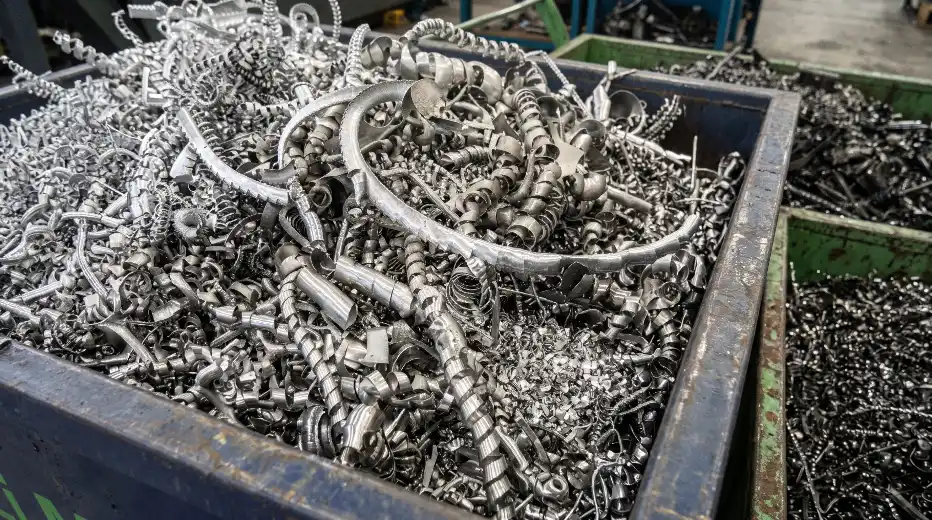
There is no need for complicated CNC waste recycling; a few steps can make the process much more efficient.
1. Separate different types of metal
Knowing which metals your CNC machines work with will definitely help you to select the right model. Aluminum chips should be separated and collected from steel, Stainless Steel, Copper, and Brass. Mixing metals is more complex and can affect the quality and value of the materials being recycled. Have clearly marked waste receptacles next to the machinery so workers can sort waste immediately.
2. Clean out excess Oil and Coolant
A frequent difficulty in metal shavings recycling is cutting oils, lubricants, and coolants that get into the shavings. These fluids are commonly used to lubricate and control operating temperatures during manufacturing. But too much liquid may make swarf handling, storage, and transportation difficult. Use drain equipment with fluid separation, if applicable. Collect and store recyclables and follow work and environmental regulations for disposal. Never pour used coolant or cutting oil in stormwater drains.
3 store metal swarf safely.
Metal chips often have very sharp edges and can be dangerous if they become mixed up with other items during storage, so consider this for workplace safety. When choosing containers, use appropriate containers that can safely accommodate the material’s characteristics and weight. Separate and identify different types of metals, and use collection bins; do not let shavings clog walkways or accumulate around machinery. Appropriate protective equipment are required when working with metal turnings, safety glasses and gloves are recommended.
4 Consider Compacting Large Quantities
When considerable quantities of machining waste are generated, swarf briquetting might be considered. This operation compresses free metal chips into blocks, reducing storage space and facilitating transportation. Some systems can recover the cutting fluids used in the cutting process. If you have a small workshop, you may not require any special equipment. Simple sorting, draining, and storage procedures can make a big difference.
5 Arrange Collection with a metal recycler.
When material is ready for recycling, you will need to discuss collection or delivery with a reputable recycling company. Please fill out the line items for the metal type, a rough quantity estimate, and the percentage of contamination before arranging transportation. This eases the recycler’s decision making process on whether they want to accept it.
Why is Aluminium Swarf recycling important?
Aluminium is a wonderful material widely used in diverse applications due to its light weight, strength, corrosion resistance, and ease of machining, it is one of the most widely machined metals. However, with CNC machining, significant amounts of aluminium chips and shavings can be produced over the years. Metal manufacturers can keep these valuable metals out of landfills by recycling aluminum swarf. Aluminum recycling typically consumes significantly less energy than manufacturing from raw materials and is currently an important part of sustainable manufacturing.
To enhance recycling outcomes, businesses need to:
- Isolate aluminum from other metal grades.
- Wherever possible, do not combine different alloys.
- Proper disposal of cutting fluids.
- Keep aluminum chips in appropriate containers.
- Ensure that acceptance criteria with the recycler are confirmed.
To ensure the quality of materials and in the interest of an efficient recycling process, these simple measures can be taken.
Metal swarf recycling in Melbourne with EZI Metal Recycling.
One important aspect of CNC machining waste management is finding a suitable recycling company. EZI Metal Recycling services commercial and industrial customers in Melbourne, recycling and collecting metal scraps. The company is based at 20, Duffy Street, Burwood, VIC 3125, and offers waste recycling services for various ferrous and nonferrous waste such as aluminum. Your manufacturing facility may be producing aluminum chips, metal turnings, or other materials suitable for recycling after the slicing process, and you can call EZI Metal Recycling for details on what material you have, how you want to collect it, and your options. An integrated approach to scrap management can be achieved by using a local recycling company that also supports sustainable metal recovery in Victoria.
Final Takeaway
Metal shavings and CNC swarf aren’t necessarily a waste. Properly sorted, safe and responsibly managed, manufacturers can reap the benefits of recovering valuable metals and enhance their workshop waste management. Aluminum swarf, stainless steel chips, and other turnings generated during a business’s manufacturing process are worth recycling for more efficient production.
Call EZI Metal Recycling to ensure you discuss your commercial scrap metal recycling needs and enquire about collection options around Melbourne and Victoria.
Can metal swarf from CNC machining be recycled?
Yes. Shafts made of aluminum, steel, stainless steel, copper, and brass are often recyclable. Acceptance depends on the metal grade, contamination, and the recycling site’s capabilities.
How should aluminium swarf be stored before recycling?
Separate aluminum chips from other metals, use appropriate equipment to drain off excess liquids, and place them in clean, labeled containers.
Can oily metal shavings be recycled?
Potentially, yes. But high levels of oil or coolant can influence the acceptance. Please always consult local recycling companies for instructions before preparing for recycling.
What is the difference between metal swarf and metal turnings?
Swarf is a general term for any machining waste in the form of chips, curls, and fragments. Metal turnings are typically pieces that are curled on a lathe.
Where can businesses recycle CNC machining waste in Melbourne?
EZI Metal Recycling, Burwood, is available to discuss what Melbourne businesses accept for scrap and if there are commercial avenues for collection.