Not all scrap is suitable for recycling. Although metals such as steel, copper, and aluminum can generally be processed relatively easily, some metal waste is very difficult to deal with. They may contain plastic, be painted, be oil-soaked, or be made from various materials. For companies, factories, and workshops, it’s common for a normal metal recycling shop to refuse scraps, so what do you do? Fortunately, metal items that are hard to recycle don’t always end up in landfill. Depending on their composition and condition, it may still be economical to extract valuable materials through specialist processing techniques. Melbourne businesses can explore how industrial metal recycling works beyond conventional methods to minimize waste and maximize the value of unwanted materials.
Client Example:
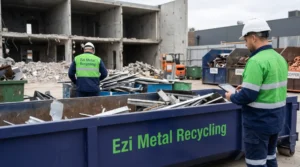
A manufacturing unit owner aman in Melbourne is about to use a previous workshop for scrap. The manager finds some items in this cleanup which have been unused for several years. These include damaged devices, painted steel frames, insulated copper cables, old electrical components, and used vehicle batteries. Initially, the team thinks of dumping everything into a general waste dory. After all, sorting the various materials would be quite a job. The manager decides, though, to check whether there is any way to recycle before he decides. The firm sorts out the clean steel and copper from the composite electric composites. Batteries are stored separately, and other unknown contaminated items are marked for specialist assessment. The manager calls Ezi metal recycling to put together the collection and processing information. This gives the company a much better understanding of what can be recycled normally and what requires specialist expertise.
Why is some scrap metal difficult to recycle ?
A commonly used term is “basic metal recycling.” The company gathers all the scraps, sorts them by type, and passes them on for further processing. When metal is mixed with other materials or undesirable materials, however, things get complicated. For instance, an industrial relic can include steel, copper wiring, rubber seals, and plastic parts. Separating them all can take more time, resources, and expertise.
The most frequent problems and solutions are:
- Mixed materials: Metal attached to plastic, rubber, glass, or insulation.
- Painted surfaces: protective coatings that need to be removed before processing.
- Contamination by oil and chemicals: traces that must be evaluated and treated.
- Materials that are hard to melt: Materials composed of several different metals.
- Electronic waste: Equipment that contains valuable metals, in addition to components and/or plastics.
Some materials cannot be recycled simply because they aren’t recycled. They need a different methodology than ordinary scrap metal collection.
What happens to scrap metal that cannot be recycled normally?
When traditional recycling methods are not suitable, you usually need to measure the material first. The next step depends on the scrap’s contents and the ability to safely separate the materials.
Let’s check out a few of the more common examples.
| Types of scrap metal | Main recycling challenge | Possible recovery method |
|---|---|---|
| Metal mixed with plastic | Different materials are joined together | Dismantling and separation |
| Painted steel | Protective coatings affect processing | Approved surface treatment |
| Old electronic equipment | Contains several metals and plastics | Specialist e-waste recycling |
| Used batteries | Contains chemicals and recoverable metals | Dedicated battery recycling |
| Industrial alloy parts | Different metals are difficult to identify | Testing and specialist processing |
Not all items can be recycled at every recycling center. Some items may need to be sent to specialist processors, while others may require controlled disposal.
How Can Difficult-to-Recycle Scrap Metal Be Recovered?
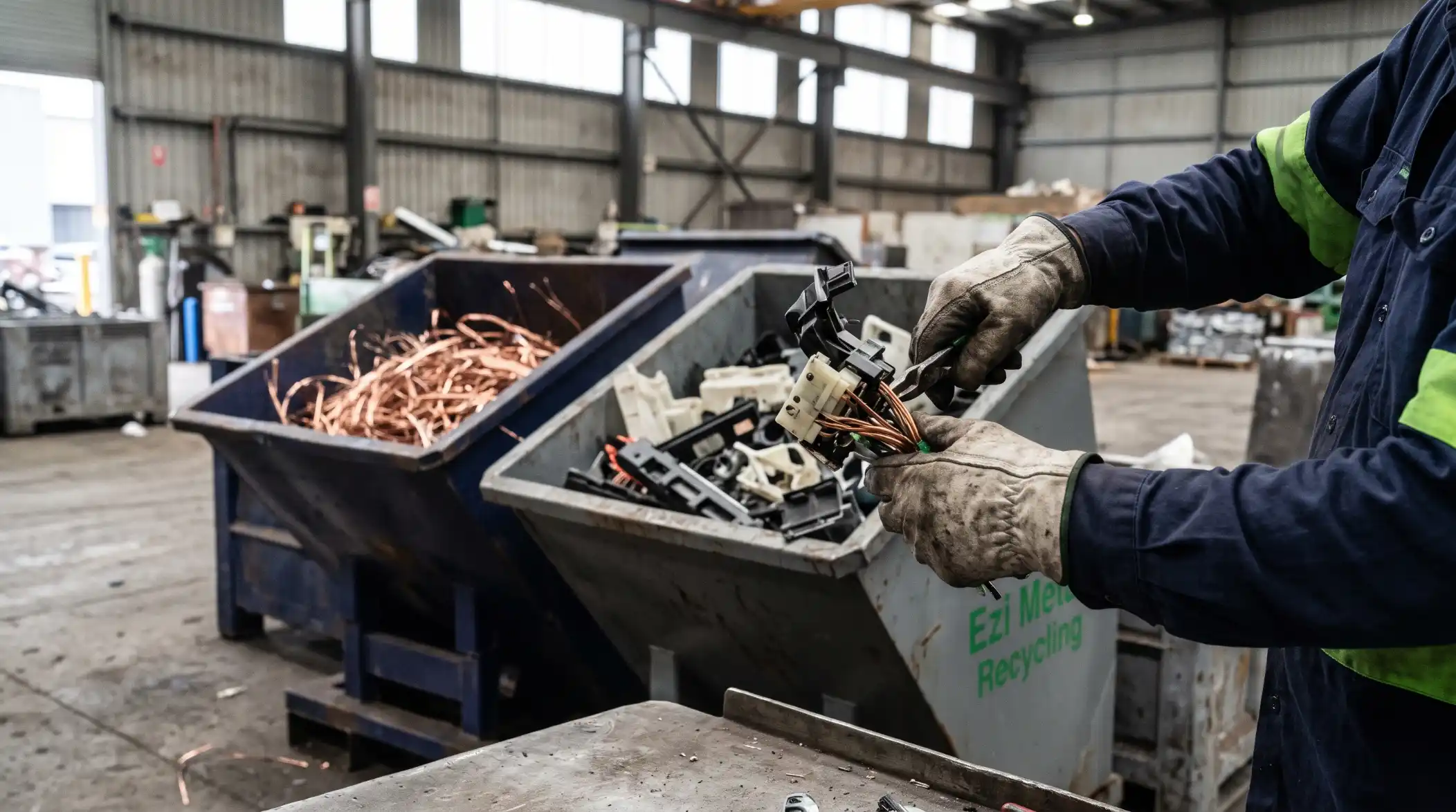
1. Separating Different Materials
The first step with challenging scraps is separating. Plastic, rubber, or other parts attached to metal items may need to be removed before processing the metal. Waste processing can be manual or utilize specialist equipment, depending on the material. Larger equipment can be broken into smaller pieces, and appropriate metal scrap can be cut or shredded for reprocessing. Magnetic separation is also widely used to separate iron and steel from non-magnetic material. The better the sorting and cleanliness of the metal, the easier it is to get to the proper recycling center.
2. Dealing with Painted and Contaminated Metals
Old machinery, industrial frames, and metal equipment are often painted over or coated with grease or protective materials. These materials may also be contaminated and therefore not suitable for processing in normal recycling lines, but they may still contain valuable metal of interest. In some instances, approved cleaning or surface treatment practices can prepare the metal for subsequent operations. But never should companies attempt to burn away or use chemical strippers for stripping coatings without controls. Some chemicals can be dangerous to the workers and the environment. When decayed wood or other material contains oil or chemicals, or unknown residues, it is best to have a professionally trained expert evaluate it to determine whether it can be recycled.
3. Waste batteries and electronics are another source of valuable metals to recover.
For example, waste such as batteries and electronic devices requires special attention. Old electrical equipment can contain valuable materials such as copper, aluminum, and steel. These metals, however, are often mixed in during the manufacturing of circuit boards, small electrical components, or plastic casings. Qualified e-waste recyclers take apart and process these goods, recovering valuable materials. Batteries require separate treatment. They can also contain lead, lithium, or other substances that can be reclaimed using dedicated recycling methods. If damaged or improperly handled, they can also pose fire and chemical risks. One recycling service Ezi Metal Recycling offers is car battery recycling. Before sending emails, businesses should verify the battery types and collection protocols they accept.
So, why is it important for businesses to focus on metal waste recovery?
While difficult scrap recycling for industrial enterprises may seem like a space clearing task, the challenge is real. In most industrial enterprises, complicated scrap recycling is not just about freeing up space, but about actual value. Ensuring a proper metal waste recovery plan can help avoid unnecessary waste disposal, maintain order onsite, and know what materials can still be recycled. It can also help businesses understand how much metal waste they produce and where they can reduce it.
Luckily, there are a couple of small points of wisdom that will make it easier:
- Separate as many different types of metal as possible.
- Keep batteries and electronic waste separate from other scrap.
- Never put clean metal in oil, substances, or ordinary trash.
- Note the amount and type of scrap collected, as an approximation.
- Discuss the materials that can be recycled and when they are picked up by a recycler.
From a waste management perspective, these small steps can make a huge difference when dealing with waste at factories, workshops, and commercial sites.
Opting for the right industrial metal recycling partner in Melbourne.
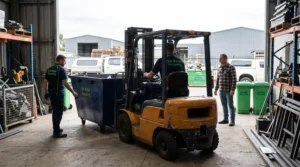
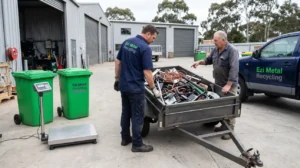
Not all scrap metal recyclers accept materials that are difficult or mixed. Before arranging a collection, it’s important to allow time to explain what you have, how much material you have, whether there is any potential contamination, and whether anything is hazardous. A suitable recycling partner can help you understand what they can take care of and whether any recyclables require a specialized facility. Ezi Metal Recycling services all of Melbourne with scrap metal recycling facilities and services for commercial and industrial businesses. It offers services like Copper Recycling, Brass Recycling, Aluminum Recycling, Steel Recycling, Factory clean-ups, Car Battery Recycling, and bulk metal scrap collection. The company also offers on-site weighing and sorting services using its trucks and certified scales. To avoid unnecessary delays, contact Ezi Metal Recycling before collection if your business has hard to recycle or unusual scrap to confirm what options are available.
Final Takeaway
However, scrap metal that’s too contaminated to recycle through traditional methods still has value. Many difficult materials can still be recovered with the right equipment, separation techniques, and special treatment. Melbourne businesses should identify what their scrap metal contains, keep materials separate, and consult a metal recycling specialist about disposal. With a bit of planning, industrial metal recycling can help businesses minimize waste, recover valuable resources, and deal with unwanted materials more responsibly.
Is it possible to recycle scrap metal with plastic in there?
Yes, in some cases. In some instances, you may need to separate the plastic and metal beforehand. Valuable material may need specialist processing if it is difficult to separate before comminution.
What happens to contaminated scrap metal?
The contaminated metal is assessed to determine what it is. It may require cleaning or specialist treatment/disposal, depending on the contamination.
Can old industrial batteries be recycled?
Yes. Many batteries contain valuable materials; however, for safety and chemical reasons, they must be recycled using appropriate methods, such as battery recycling facilities.
Do all these difficult-to-recycle metals end up in landfill?
No. Materials can be recovered by dismantling, separating, and specialist processing, even if these methods do not suit all materials. Safe and practical recovery may not be necessary and may be done through landfill or controlled disposal.
Why should businesses prefer to hire and use a professional scrap metal processing firm?
Professional processing supports material sorting and handling. It can also improve the identification of retrievable metals and help control problematic waste streams.