For many people, “crete” first brings to mind “concrete”, “bricks”, “timber”, and “waste” when a building is scheduled for demolition. However, one other potentially valuable material isn’t always considered: metal. Construction sites contain a wealth of materials that can be salvaged from waste rather than discarded, such as copper pipes, electrical cables, aluminium frames and trusses, steel beams, and brass fittings. If managed appropriately, these can all be separated, gathered and recycled. In this instance, construction waste recycling will be significant. Australia’s construction industry is increasingly recognizing the importance of extracting valuable metals from construction waste before it enters the landfill, not only to combat waste and save materials, but to create added value from other materials and resources as a valuable extra.
So, how can construction firms maximize the use of existing metal on their construction sites?
An actual case example: the effects of early planning.
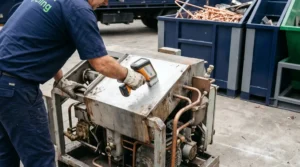
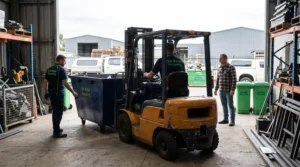
A building contractor noman was preparing to remodel an older office building in Melbourne’s inner east. The project manager conducts a site inspection before demolition to identify materials likely to be recovered. At the inspection, the team located several old plumbing fittings, copper, electrical cabling, aluminium window frames, and steel shelving. The company creates a simple plan to recycle all waste, rather than mixing it. Tradesmen collect the proper materials and remove them safely; trades workers use special loading and unloading equipment to separate the various metals into storage areas. The company then arranges collection with a scrap metal recycling company. After collection, the metals are weighed and graded by type and condition. These measures increase resource utilization while minimizing the blending of re-enters with bulk demolition waste and improving record keeping to ensure re-enters are tracked. The example demonstrates a simple plan that could make it practical on site to recycle metal as the buildings are constructed. Actual results will depend on the building, the amount of materials, and the cost of the materials recovered.
1. The first step is to determine what valuable metals exist before demolition.
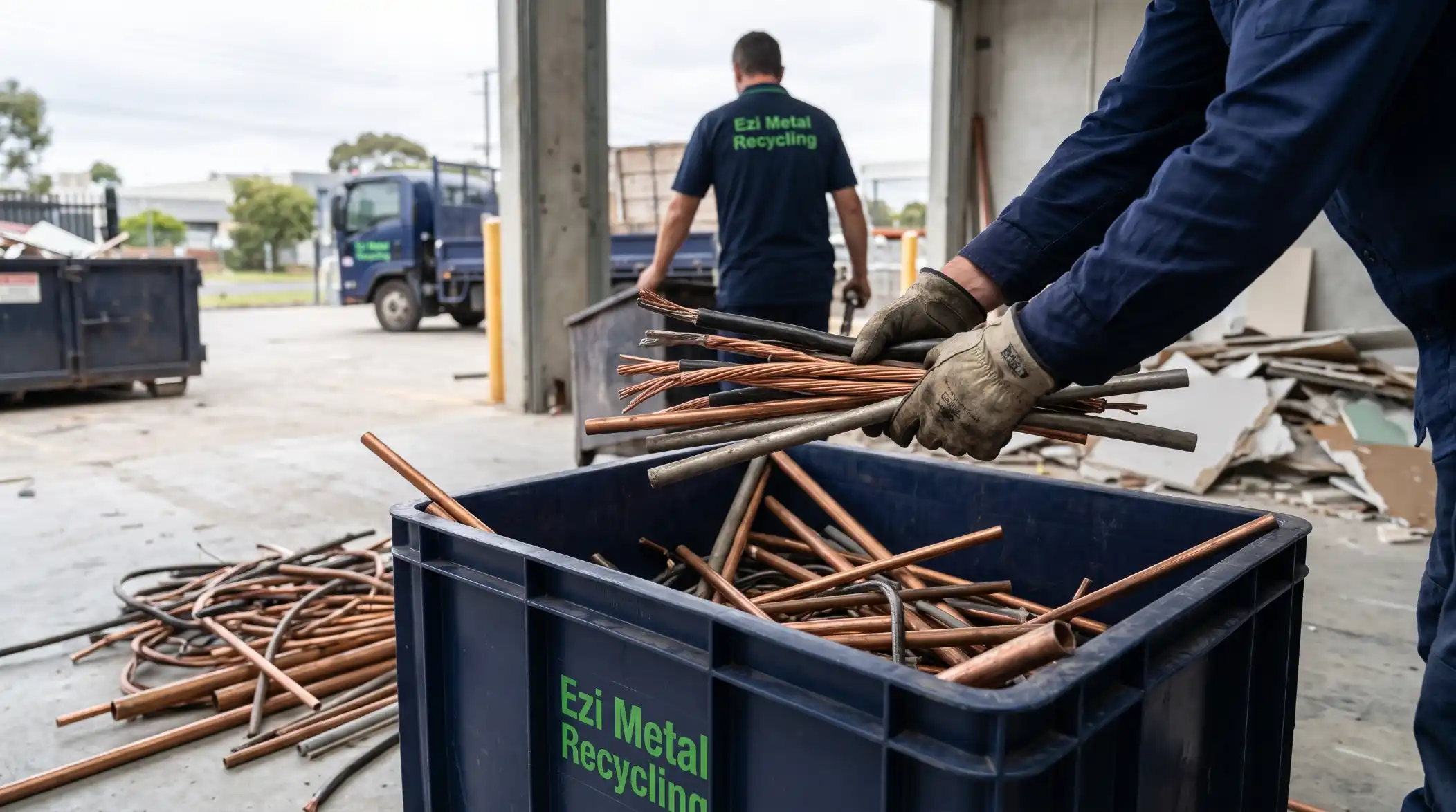
Before anything else, it’s important to know what you can recover. Construction crews should conduct a pre-demolition building survey to identify metal elements with recycling potential before disassembly.
Others, concealed behind walls, ceilings, or building structures, are easily missed.
Common metals that can be identified are:
- Copper: Found in electrical Wiring, plumbing pipes, air conditioning systems, and fittings.
- Aluminum: Usually used on exterior building parts such as windows, doors, roofing, and the like.
- Steel and iron: Found in Structural beams, reinforcing bars, metal frames and machinery.
- Brass: Commonly found in transport taps, valves, and plumbing fixtures and fittings.
- Stainless steel: Used in commercial kitchens, handrails, on equipment, and in building fixtures.
If these can be detected early, it is easier to plan their removal and to ensure that they are separated from the general scrap from the demolished building.
2. Separate metals rather than mix everything.
A common mistake on demolition sites is placing all waste materials into the same skip. This can be quite convenient, but it can complicate recycling. Mixing metals with concrete, timber, plasterboard, and general trash means separating them later takes more time and effort. Another option is to set up separate pick-up points for different varieties of metals. Wherever possible, do not let copper, aluminium, brass, and steel touch or come into contact with one another. This reduces confusion in sorting, evaluating, and processing demolition waste metals. It also gives recyclers information to identify the materials they receive and the proper grade for each. If the load is separated and clean, recycled metal is usually easier to recycle than a load mixed with other construction waste.
3. Make a plan for metal to be removed before the demolition takes place.
Good planning can significantly affect the amount of metal recycled from a construction site. Incorporate metal recovery into the first development of site plans, don’t wait until demolition has started. First, walk through the building and identify which materials are safe to remove before any structural demolition. Electrical wiring, copper pipes, aluminium doors, and removable fixtures may be suitable for early recovery. Safety should always be the first consideration, of course. Structural work should be removed only under an appropriate demolition plan, and an authorized person will isolate electrical services. Preparation with a recycling company is crucial to support contractors with assembly, collection, loading, storage, and more.
4. Learn how scrap metal recycling can benefit your project.
Lessons learned from metal recovery include not only keeping reusable materials out of landfill. It may also be financially advantageous for the construction companies. Some metal products, such as copper, aluminium, and brass, are recyclable. Rather than disposing of it, companies could make money by valuing appropriate scrap material.
The return that can be expected is dependent on the following:
- The kind and quality of metal used.
- The number of spares collected to be made available to the market.
- The level of cleanliness and separation of the material.
- List the up-to-date scrap metal market price.
- Shipping, handling, and processing fees.
Not all metal recovery operations will be profitable, but metal separation can reduce waste disposal and support more efficient waste management.
5. Work With a Reliable Construction Metal Recycling Company
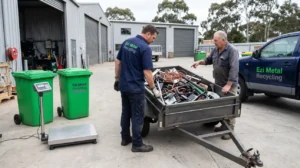
Finding a recycling partner that makes recycling in North Cobb easy and convenient is especially helpful for large scale building or demolition projects. Businesses can learn about recyclable materials, how to prepare materials for specific metals, and options for collecting them from a professional recycler. A Melbourne recycler familiar with commercial and industrial recycling facilities can also make sorting larger loads easier. Ezi Metal Recycling offers recycling of various metals, including copper, aluminium, brass, and steel. The company also offers bulk collection, on-site sorting, and weighing services using its own trucks and certified scales. With the help of an experienced recycling provider, construction businesses can manage unwanted metal more efficiently and ensure the right recycling system is used for recyclable materials.
6. Keep metal recycling part of your construction waste plan.
The best time to recover metals is during construction waste management, not as an afterthought. The process will be easier if site managers ensure staff have clear roles, provide clearly labeled storage for separation, and discuss recycling needs with contractors before they start. Including data on recovered materials, collection weights, and recycling destinations will also support project reporting and enable businesses to audit their waste management activities. A company carrying out work at a project site in the Melbourne region or elsewhere in Victoria can use a well thought out recycling program to make demolition a sensible use of resources.
Final Takeaway
You don’t need to add any more valuable metal to demolition waste. When planned at the outset, expenses for building materials can be minimized, and reusable metals such as copper, aluminium, and steel can be separated before the demolition process begins with the right recycling partner. A sensible approach that Melbourne construction companies can take is to incorporate construction waste recycling into the project from the outset, it’s important to put in the effort from the beginning to minimize waste and maximize the recovery of resources, and to ensure effective management of demolition materials. Some “pre-work” before demolition will improve what is retrieved afterward.
What metals can be recovered before building demolition?
Construction companies can commonly recover copper, along with aluminum, steel, iron, brass, and stainless steel. The materials typically occur in plumbing systems, wires, building structures, windows, and building fixtures.
Why is construction waste recycling important?
It can positively impact recycling materials that would otherwise be landfilled and, by reducing the need for new resources, promote responsible construction.
Is demolition scrap metal worth recycling?
Yes, suitable scrap metal can be sold for profit. However, returns vary by metal type, metal quality, quantity, market price at the time of collection, and collection expenses.
What is the time frame when construction companies should be approaching a scrap metal recycler?
It would be helpful to avoid demolition before it starts. Good communication early on helps organize separation, pickup, removal, and safe storage.
Can metal recycling companies collect scrap from construction sites?
Some recycling firms can pick up your commercial and development construction waste. It’s best to check in advance what they’ll accept, the minimum quantity, how they’ll pick it up, and availability.