You’ve just finished cleaning out your shed, workshop, or garage and ended up with a pile of scrap metal. However, not everything is ready to go as it is. Some pieces still have plastic coverings, others have rubber hoses attached, and a few are covered in grease or oil. Can you put all your items in one load? Not necessarily. Often, “mixed” metal, which isn't recyclable by itself, may be recyclable if something is attached. Contamination affects the sorting process, the recycling yard's ability to accept the material, and the amount of preparation required before processing.
A customer story – The clean-out of the workshop.
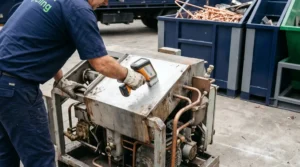
Jack, who runs a small workshop in Melbourne, decides to spend a scheduled Saturday cleaning out his studio after years of putting it off. The trailer contains copper cable, several old machine parts, rubber hose, and steel brackets. Many of the components are greased. The owner sells everything on the same day. They call the recycling yard and tell them what's in the truck. They take out the leaner metal and ask for advice on what the oily stuff is. This helps make the load more organized and makes the drop-off process at the scrap yard much easier. Sorting materials as they come in throughout the year also saves time and effort, instead of leaving everything until the end.
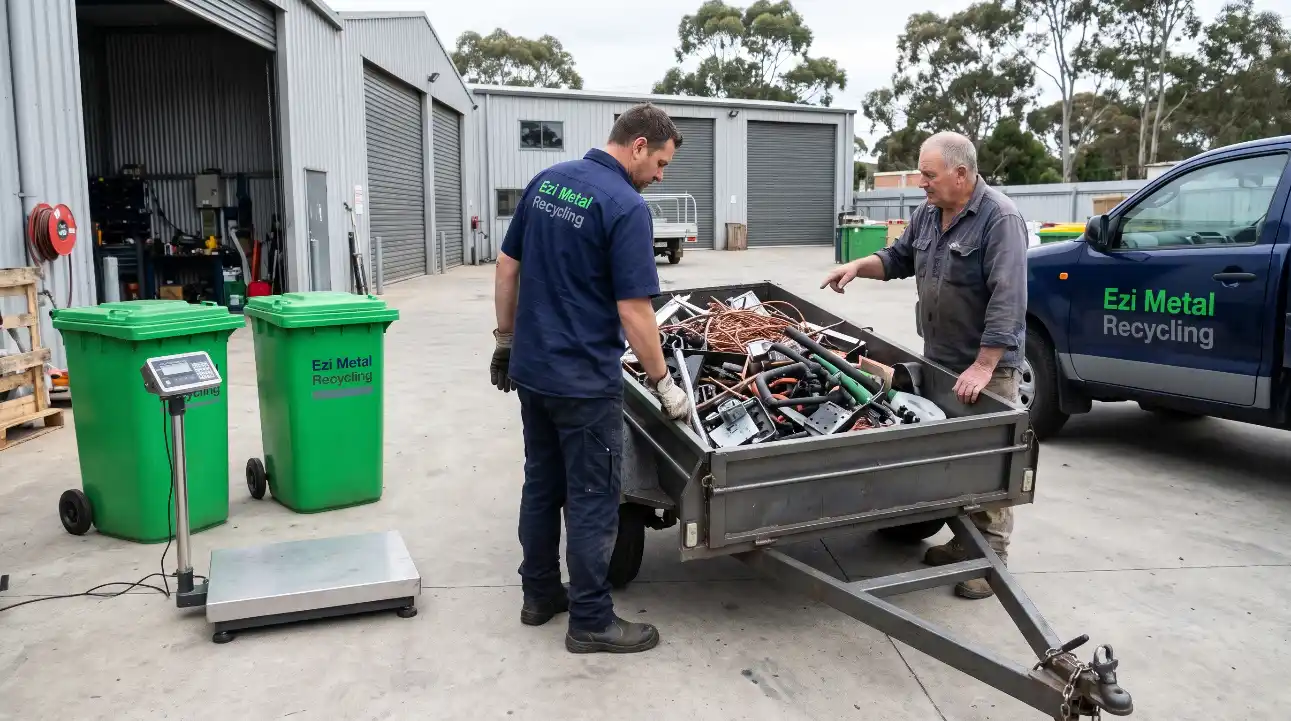
Does mixed scrap metal have to be completely clean?
Not all scrap metal needs to look new and shiny before it can be recycled. Some metals can be sorted at the facility, and some pieces naturally contain non-metal parts. For instance, whenever you think of an old washing machine. The metal case it's packaged in could be recycled, but the appliance also has plastic panels, wiring, and other parts. One piece of copper cable might be metal-filled and encased in an insulating sheath, or an old steel machine could have rubber hoses and grease inside. It's not just about the different materials present. It's about whether the recycling plant can safely handle and effectively sort them.
What happens when plastic and rubber are mixed with scrap?
The amount of metal that can be recovered from a load may be lessened by plastic handles, rubber seals, insulation, and other attachments. They may even take longer to remove. If it's a small object, it may be as simple as removing a loose covering made of plastic or another soft material. If the machinery is larger, it may require rubber and/or wiring separation, which will most likely need a specialist piece of equipment. Depending on the individual product and regulations at a specific facility, the recycler may accept the product as provided or request that materials be removed before taking it. So, it's wise to check for scrap metal contamination before loading, when everything goes into the trailer. Don't make an unnecessary trip; a quick call can avoid it.
Why is oil on scrap metal a concern?
Greasy items aren't necessarily unrecyclable; if they are, note them. Oil can leak during handling, making operations slippery and causing environmental or safety issues. Fuel residues and chemical containers, batteries, and sealed drums are even more hazardous. Some require special care and attention, and don't fit the category of ordinary junk. Do not burn plastic on metal surfaces for cleaning (it can be free of impurities), and do not pour oil on the ground or down a drain. Do not open the container if you don't know what was stored in it, or if you can't identify a liquid; tell the recycler what you don't know and how you would like to proceed.
Can contamination affect the price you receive?
It can. Metal type, quantity, grade, condition, and the amount of metal that can be recovered are some of the factors that determine a load's value. There may be less saleable metal in a stack of metal piled together than the weight of the stack may imply if it is made up of a significant amount of plastic, timber, or general trash. Additional sorting and handling can also affect the product. However, no single rule can apply to every load. This may vary from facility to facility, depending on the equipment and acceptance policy. Before ordering materials, identify the material source (such as a construction site, farm, or home workshop) and clear any factory before you start work. This helps recyclers provide more specific instructions.
How to prepare scrap metal for recycling
You don't need to take apart all the items yourself. In fact, trying to disassemble unfamiliar equipment can lead to bigger problems. Begin with the materials which you can be certain to identify and separate without risk.
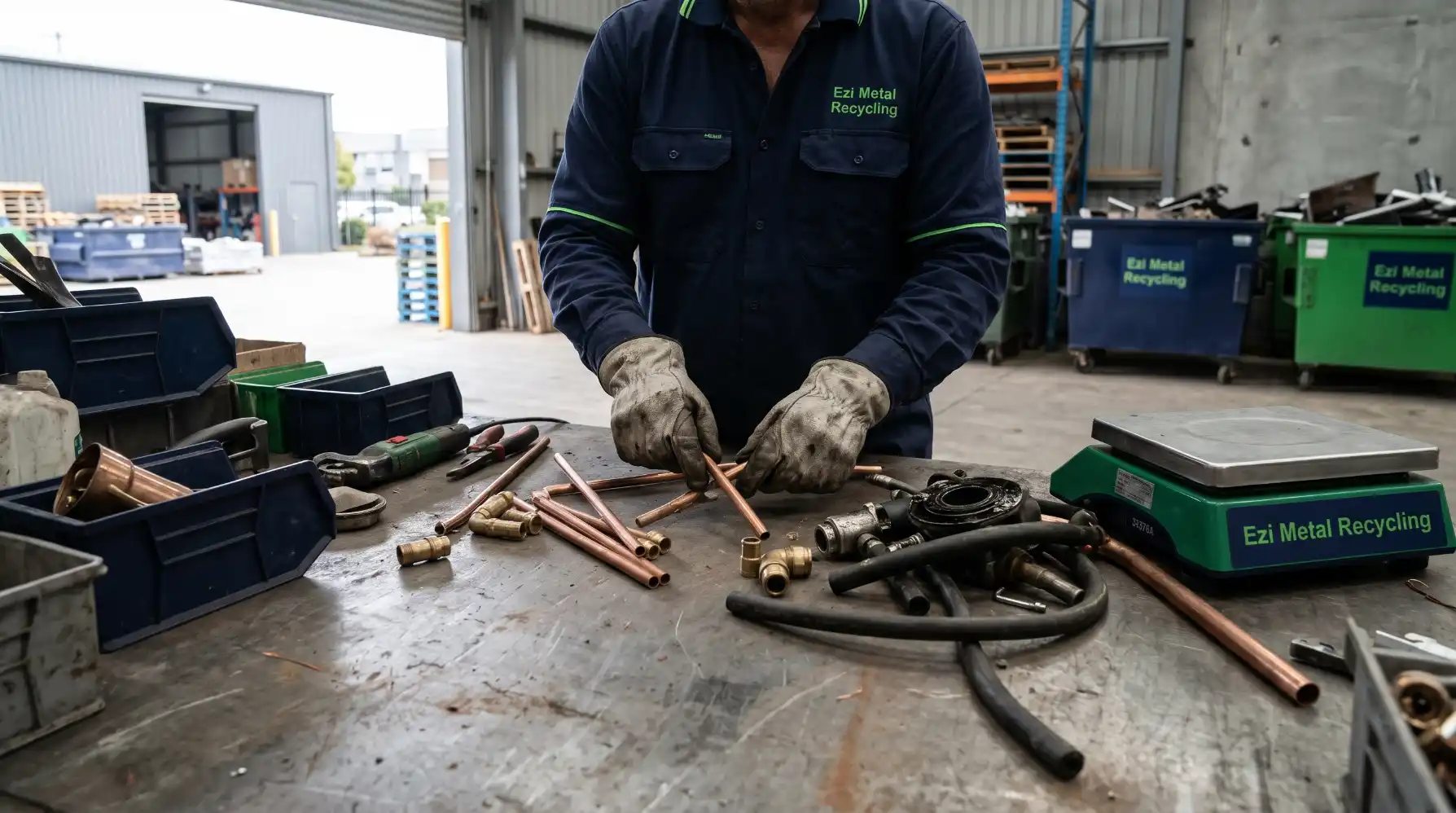
Your pre-recycling checklist:
- Before collection, or if you're arranging to go to a recycling center, use this list:
- Collect clear waste barrels of rubbish, such as packaging, timber and general waste.
- Where possible, separate steel, aluminum, Copper, and Brass materials into groups.
- When removing plastic and rubber parts, remove them if they can be securely detached.
- Separate oily items and components and unknown products.
- Never open sealed drums, pressurized containers, or medical containers with unknown chemicals.
- Properly hold sharp items and store materials.
- Capture notes of interesting objects to help you tell what you have.
- Check with your recycler for acceptance of materials & preparation.
While these steps help prepare scrap metal for recycling, they don't guarantee everything will be accepted. Requirements vary depending on the material and the recycling facility.
What are the main scrap metal recycling requirements?
Before heading to your selected recycler, make sure you know what they accept. Check if mixed loads are allowed, if oily or potentially hazardous materials need to be removed before disposal, and the procedures for doing this. Check whether plastic or rubber should be removed before disposal and the procedure for doing so. Australian businesses, construction workers, and homeowners should know about different construction materials, any safety and environmental regulations that may apply to each project, and which process to follow. Remember, not all the items you may find contain valuable metal that you can accept. If your load contains batteries, leftover chemicals, or liquids you can’t identify, be sure to let the scrap yard know when you contact them.
Final takeaway
Not loading a ship is not necessarily a wasted load when it is a mixed load. Of course, the question is which metal it is and whether you can safely and economically process it this way. Separate what you can; don't risk dismantling, and ask about anything you don't know.
Will a recycling yard accept contaminated scrap metal?
It may depend on the type and degree of contamination. Contact the facility before delivery, especially for oil, rubber, plastic, or hazardous materials.
Do I need to separate different metals?
Assessment is easier when there is a method to separate materials, such as separating copper, aluminum, and steel. Check with the recycler whether they need to be separated or recommend separation.
Can I recycle metal covered in grease?
Inspect heavily contaminated parts and consider some greasy metal articles. Describe the situation before the transfer and adhere to the instructions of any facility.
Does plastic make scrap metal worthless?
It's not correct to say that using plastic makes the metal unusable, but it may increase processing requirements, and the recoverable metal content may be reduced.
What is the easiest way to avoid rejection?
Tell the truth about your load, sort out all good loads, and put the questionable items out of reach until you're familiar with the acceptance rules before you go on your trip.