If you have a bunch of old electrical cable, you might wonder whether the insulation will help you make more cash. Of all the types of copper that can be recycled, wire is easier to recycle than insulated cable because the recycler has less material to process; bare copper also has a higher scrap value. But that doesn’t mean all cables are worth taking out.
The question for homeowners, electricians, builders, and renovators in Melbourne is: is the added value worth it? The outcome depends on the type and amount of cable.
What Does Copper Wire Recycling Involve?
Copper wire recycling is the retrieval, classification, and processing of defective electrical wire and cable into copper and other valuable materials for reuse. Unlike other waste materials, old cable is highly recyclable and can be recycled repeatedly.
The main difference between bare copper and insulated cable is that the latter is insulated with plastic or rubber. Cable with very little or no non-metal material is called bare copper, while insulated cable has plastic or rubber on the conductor. Insulation and other materials must be separated or processed during recycling, which lowers the material’s value.
Is Stripping Copper Wire Worth It?
While stripping copper wire can boost its value, that doesn’t necessarily mean it’s the most economical return on your time investment. For furriers with a good stock of cable they can cut efficiently, preparation might be a wise investment. If you have another small box of various household wires, it might not be worth the time to strip them all.
Think of three things: firstly, the quantity, cable type, and labor. Thick cable can have a significant amount of copper and may be easier to prepare. Removing the insulation from thin, heavily insulated, or mixed cable may take longer.
Ask a recycler what material they accept and how grades are valued before preparing a large load.
Bare copper vs. insulated copper cable.
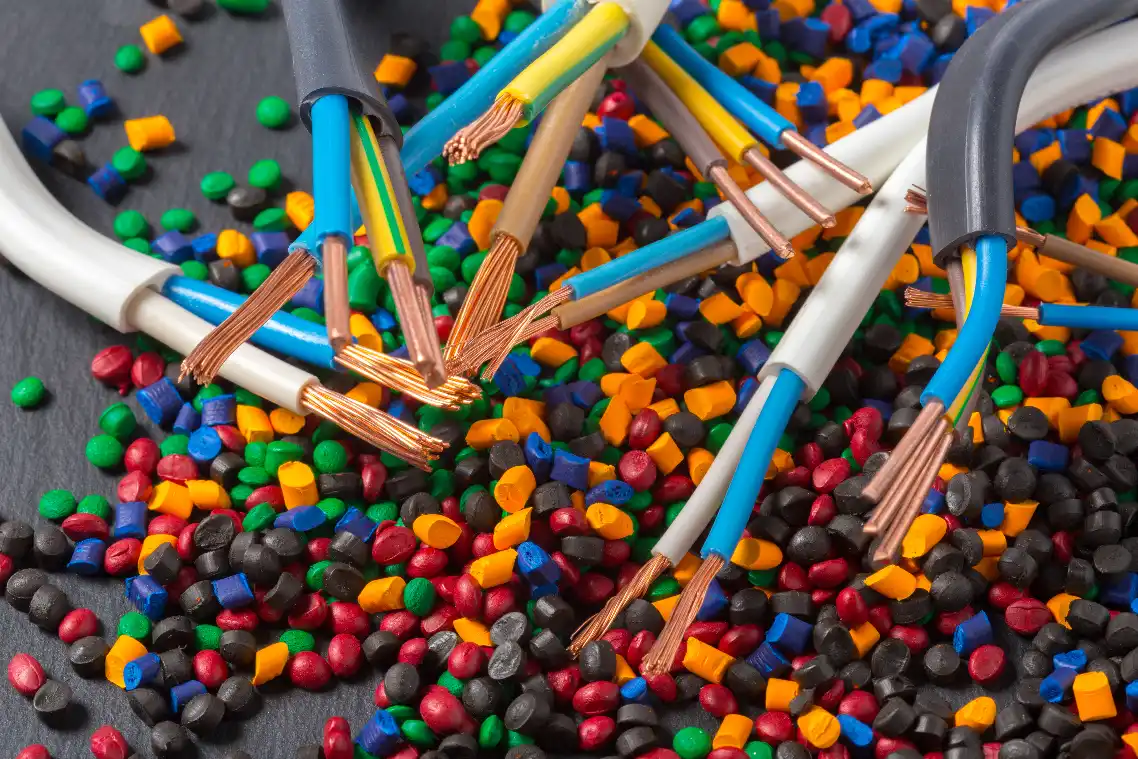
The difference is simple: bare copper is mostly copper, while insulated cable is copper with insulation occasionally with other components. This allows different grades of each material to be used.
However, insulated cable is still recyclable. It isn’t always necessary to separate all the components before presenting it to a recycler. If stripping the insulated copper wire takes longer than the additional return, an insulated wire recycling service may be more convenient for customers in Melbourne.
Where possible, keep cables apart when not in use before sale. Not all wires are made from the same composition of copper and/or value.
Melbourne Customer’s Experience:
One of Ezi Metal customer, Daniel, had several boxes of old electrical cable from several residential renovation jobs and electrical work. At first, he intended to spend the weekend removing all the insulation, as he felt this would be the only way to get a good return.
After discussing this with the recycling team, this was the “lifted” material, and left a portion of this difficult and highly insulated cable undamaged. This meant he could save hours of manual labor and still send the material into the recycling stream.
The value of his experience is that the highest per kg is not necessarily the most profitable option. In addition to yield, the importance of total return is related to “prep time/effort.
How Should You Prepare Scrap Copper Wire?
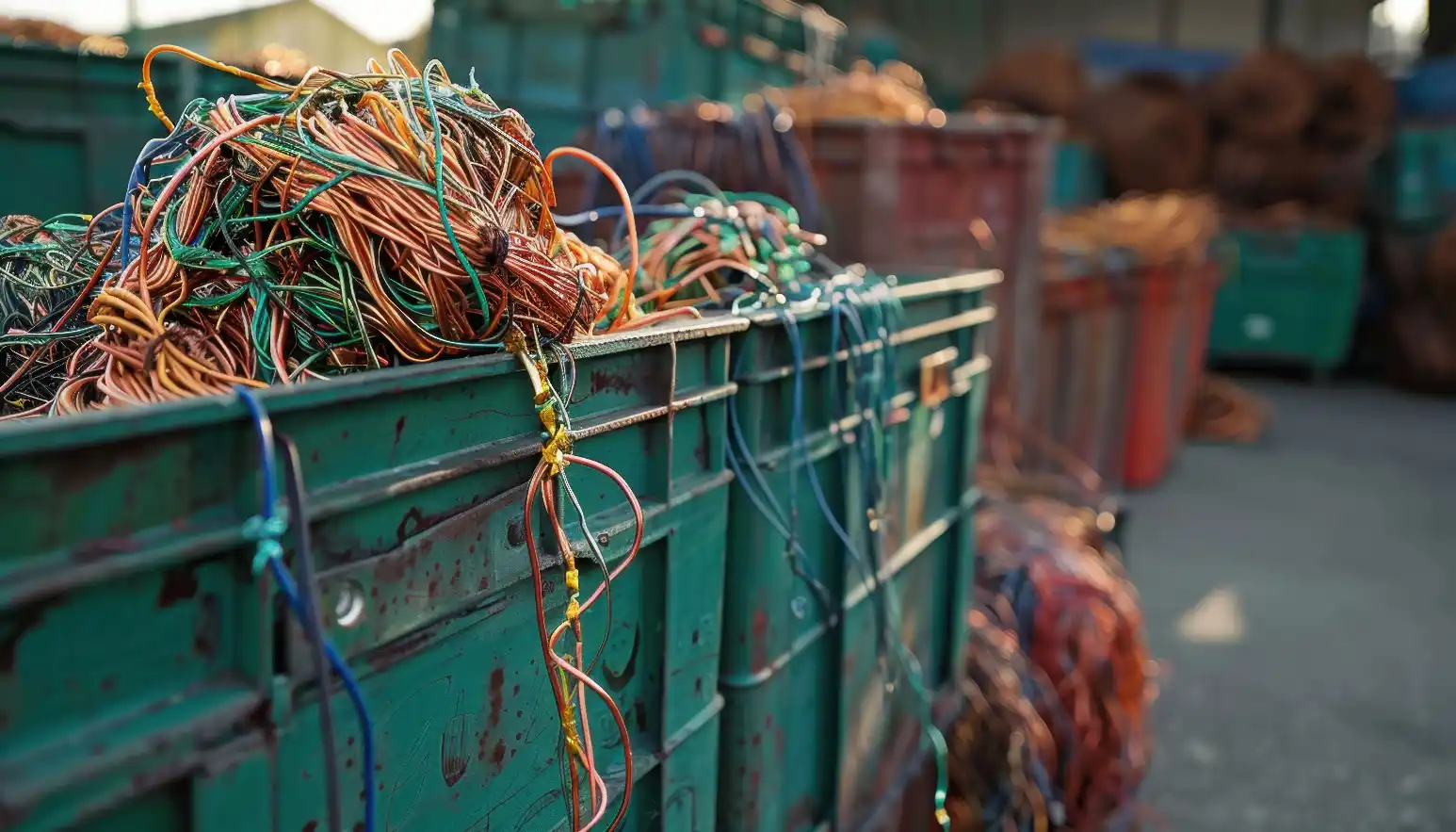
It takes less time to recycle when it’s prepared properly. Remove easy-to-identify non-metal litter and sort materials as much as possible. If you have a lot, ask about acceptable grades before processing everything.
Useful preparation steps include:
- Dispose of copper with wires separately from steel, aluminum, and other waste materials.
- Don’t touch bare copper with insulated cable.
- Remove excess debris when it’s easy and safe.
- Tie together large bundles of similar cable.
- Ask the recycler about the recycling process before taking apart an entire dump.
Insulation may not be burned to recover copper. Cable fires produce toxic smoke, harm the metal, and can contaminate the environment. Mechanical or professional sorting is safer.
When Should You Sell Insulated Cable Without Stripping It?
When you don’t want to give up too much cable, and have tricky insulation, or have a mix of different types, you may save by taking it to a recycler with minimal preparation. This is especially a consideration for homeowners who lack stripping equipment.
The calculation can be different for electricians or contractors. If you consistently produce large volumes of cable, efficient stripping may be possible. Regardless, weigh the extra benefit against labor, equipment, storage, and handling costs.
For copper cable recycling Melbourne customers, focus on maximizing copper scrap value rather than chasing the highest advertised grade.
Where Can You Recycle Copper Wire in Melbourne?
Ezi Metal Recycling is a scrap metal recycling company in Melbourne and can accept cabling and wires for recycling. For insulated cable, bare or mixed scrap copper, contacting a scraper before stripping everything out can make it easier to choose a realistic solution.
Additionally, pickup may save the time and effort of transporting larger quantities. Before assuming what materials your cable contains, check the acceptable materials and current grading levels.
Frequently Asked Questions
Can I recycle insulated copper wire?
Yes. Insulated copper cable can be recycled. The value depends on the type, condition, applicable grade, and copper content.
Should I strip copper wire before selling it?
Not always. Removing it can enhance the material’s value, but you should compare the extra value to the time and effort involved.
Is copper wire scrap worth keeping?
Yes, copper wire reinforced with copper can have recycling value. Separating it from other waste can simplify sorting and sale.
How do I get the best value from copper cable?
separate bare and insulated cable, avoid contaminating the cable, and ask the recycler before making extensive preparation.
Final Takeaway
It may be worth stripping copper wire; it works well with some suitable large quantities. However, this is not the ideal solution for all loads. In fact, insulated copper wire recycling can save you a lot of time if the cable to be recycled is small, mixed, or difficult to work with, without hours of manual stripping.
We take the cable type and grade into account. If you are in Melbourne, talk to Ezi Metal Recycling before going through the unnecessary trouble. The best recycling choice should yield the highest possible return overall and be safe and efficient.
Call us now for Commercial and Industrial Services!
Call us on 0431 733 102 to arrange a pick-up today. Feel free to reach out to our specialists online to get an upfront quote for your scraps or share your feedback on our services.